
Product behavior
Confirm viscosity, foaming, particles, corrosion risk, concentration and operating temperature. These details guide the filling method and product-contact compatibility review.

Anti-corrosion filling, capping and labeling systems for pesticide, herbicide, insecticide, fungicide, liquid fertilizer and other agricultural chemical products.
Liquid fertilizer, pesticide and herbicide formulations: the focus here is agricultural use, formula behavior and cleaning between products. For non-agricultural treatment liquids and additives, see industrial chemical packaging.
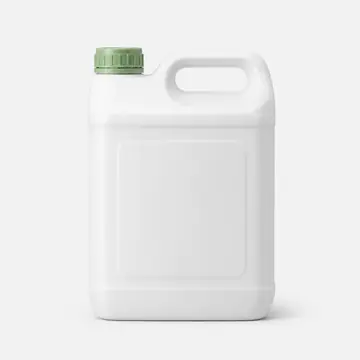
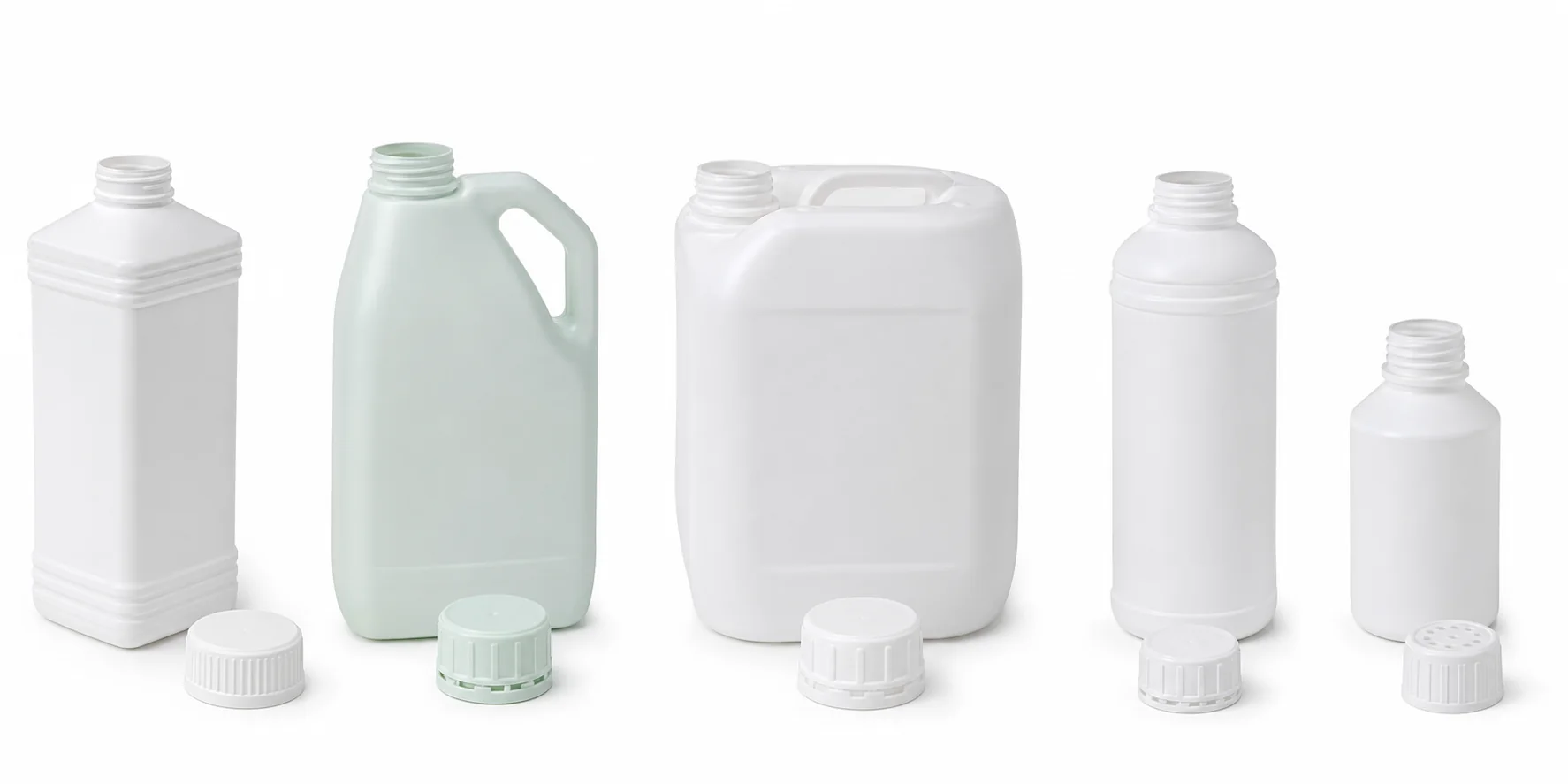
Packaging illustrations only, not customer production samples. Similar container shapes can serve different industries. Final materials, filling, closure handling and labeling are confirmed from the actual product, package and output target.
The correct starting point is the product and package, not a machine name. Confirm the factors below before comparing filling heads or line speed.
Confirm viscosity, foaming, particles, corrosion risk, concentration and operating temperature. These details guide the filling method and product-contact compatibility review.
Record container material, dimensions, neck finish and closure type. Screw caps, pump heads and special closures require different feeding and capping structures.
Define filling volume, sustained bottles per minute and shift pattern. Output should be reviewed across filling, capping and labeling rather than at one machine alone.
Agree the test product or substitute, containers, closures, labels, inspection points and acceptance criteria before the factory test.
Pesticide, herbicide, liquid fertilizer and related products can share one line architecture. Compatibility, package and output requirements define every station.
Selected after reviewing product behavior, filling volume and product-contact compatibility.
Matched to the supplied screw cap, pump, trigger or other project closure.
Configured for the container shape, label format and required placement.
Add coding, inspection, collection or other stations when the project requires them.
Connected architecture: conveying, control handoff, guarding and line balance.
Project-specific changes: contact materials, filling method, closure system, labeling structure, change parts and layout.
No single material or filling method is suitable for every agrochemical formula. The exact product, concentration, temperature, contact time, cleaning chemical and package must be reviewed before equipment is specified.
Configuration differenceChanging from a liquid fertilizer to a pesticide formulation can change both the product-contact and cleaning requirements. Compare drainability, trapped product and the actual wash sequence as well as materials; one compatible formula does not approve the same seals and hoses for the next.
Configuration differenceA fully dissolved fertilizer and a suspension are different filling tasks. For a suspension, evaluate settling during stops, particle passage and controlled product supply before selecting the pump and nozzle. For a formula that crystallizes or leaves deposits, include nozzle cutoff, drain/clean access and restart checks. Do not assume agitation or recirculation is suitable without testing the formulation.
Share product behavior, container and closure details, filling volume and target output for a suitable packaging line proposal.
Direct answers for buyers comparing pesticide and agricultural chemical packaging equipment.
Start with product viscosity, foaming, corrosion risk, filling volume, container shape and target output. These inputs determine the filling method, contact-material review and number of filling heads.
Confirm the exact product, concentration, temperature and required contact compatibility before selecting product-contact parts, seals and protection options.
Yes. Filling, cap feeding, capping, labeling and collecting can be integrated after the container, closure, label format, target speed and workshop layout are confirmed.
Provide product behavior, filling volume, container dimensions, closure details, label format, target bottles per minute, power supply, air supply and available layout.
Confirm viscosity, foaming, particles, temperature and material compatibility.
Review bottle or jar dimensions, neck finish, cap, pump, trigger and label format.
Define filling volume, bottles per minute, shift pattern and line connection needs.
Agree factory test materials, settings, inspection points and handover documents.