
Product compatibility
Review the exact chemical, concentration, temperature, viscosity, foam and corrosion risk before confirming product-contact parts, seals and filling structure.

ZXSMART manufactures configurable filling, capping and labeling systems for chemical liquids, solvents, corrosive products, additives, larger bottles and jerrycans.
Industrial treatment liquids and additives: the focus here is chemical compatibility, the dosing method and filled-container handling. For pesticides, herbicides and liquid fertilizer, see agrochemical packaging.
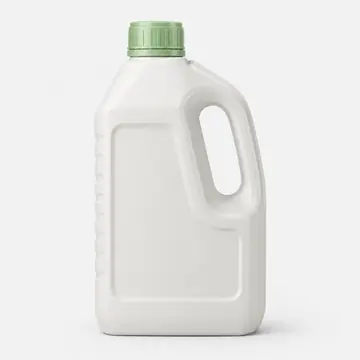
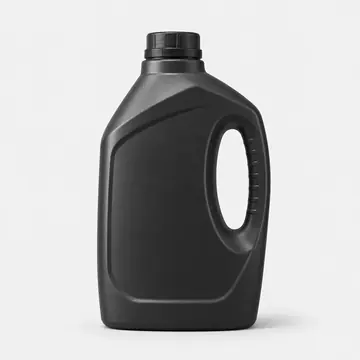
Packaging illustrations only, not customer production samples. Similar container shapes can serve different industries. Final materials, filling, closure handling and labeling are confirmed from the actual product, package and output target.
ZXSMART has produced packaging equipment since 1998. Each chemical project is reviewed around the real product, package, output and factory conditions before a line configuration is released.
Review the exact chemical, concentration, temperature, viscosity, foam and corrosion risk before confirming product-contact parts, seals and filling structure.
Confirm container material, dimensions, weight and stability. Larger bottles and jerrycans may require different conveyor, positioning and filling support.
Cap dimensions, torque requirement, label material and label position determine the cap feeding, capping and labeling configuration.
Define sustained output, test materials, inspection points, utilities and handover documents so factory testing measures the agreed production scope.
Industrial liquids, additives, solvents and corrosive products can share one line architecture. Compatibility, package and output requirements define every station.
Selected after reviewing product behavior, filling volume and product-contact compatibility.
Matched to the supplied screw cap, pump, trigger or other project closure.
Configured for the container shape, label format and required placement.
Add coding, inspection, collection or other stations when the project requires them.
Connected architecture: conveying, control handoff, guarding and line balance.
Project-specific changes: contact materials, filling method, closure system, labeling structure, change parts and layout.
A chemical packaging line is specified from compatibility, flow behavior and package data. Product names alone are not enough to confirm wetted parts, seals, pump type, enclosure, closure handling or factory-test conditions.
Configuration differenceCorrosion resistance is not explosion protection. If a solvent is flammable, review the site's hazardous-area requirements, electrical equipment and other safety provisions separately. An anti-corrosion frame or compatible wetted path alone does not confirm suitability for a flammable-liquid installation.
Configuration differenceFor steady, low-viscosity liquid in larger containers, a flow-meter configuration is a candidate after matching the meter to the liquid. For viscous additives, compare piston or rotor-pump methods instead. If acceptance is by mass rather than volume, agree the measurement method and any density/temperature conversion; kilograms and liters are not interchangeable.
Configuration differenceWhen changing to a larger jerrycan, test transfer with the filled container, not only the empty package. Conveyor load, stopping position, restart stability and access around the handle can change the line layout even if the filling method stays the same.
Engineering answers for buyers comparing chemical filling, capping and labeling systems.
A chemical liquid packaging line can connect container feeding, filling, cap feeding, capping, labeling, coding and collecting. The final scope depends on the product, container, closure, label and target output.
Product-contact parts and seals should be selected after reviewing the exact chemical, concentration, operating temperature and compatibility requirements.
Yes. A line can be configured for larger bottles and jerrycans after container dimensions, weight, filling volume, closure and required output are confirmed.
Send product behavior and compatibility information, filling volume, container dimensions, closure details, label format, target bottles per minute, utility conditions and workshop layout.
Share product behavior, corrosion level, container and closure details, filling volume and target output for machine selection.
Confirm viscosity, foaming, particles, temperature and material compatibility.
Review bottle or jar dimensions, neck finish, cap, pump, trigger and label format.
Define filling volume, bottles per minute, shift pattern and line connection needs.
Agree factory test materials, settings, inspection points and handover documents.