

Daily Chemical Filling, Capping And Labeling Lines
Daily Chemical Solutions

Configurable Daily Chemical Filling, Capping And Labeling Line

One production-line architecture, engineered with the filling, capping and labeling modules required by your product, container and closure.

DetergentShampooLotionLiquid SoapCleaning Products
One Line Architecture

One Production Line, Configured Around Each Project

The complete line remains one connected production system. Its filling, cap-handling, capping, labeling and optional downstream stations are selected or changed to match the actual product and package.

One configurable daily chemical filling capping and labeling production line
Illustrative complete-line layout. Final stations, change parts and conveyor arrangement are confirmed for the project.
Shared Production Platform

Change the required module, not the entire line

Different daily chemical products can use the same line architecture. We match the product-contact system, bottle handling, closure equipment and labeling method to the customer’s real requirements.

DetergentDishwashing LiquidShampoo & Body WashLotion & CreamLiquid SoapDisinfectantHousehold CleanerOther Confirmed Products
Packaging Examples — Not Fixed Configurations

Representative Bottles And Closures

These package formats illustrate the range of project inputs. The filling, cap-feeding, capping, labeling and conveying modules are selected from the actual bottle, closure and production target.

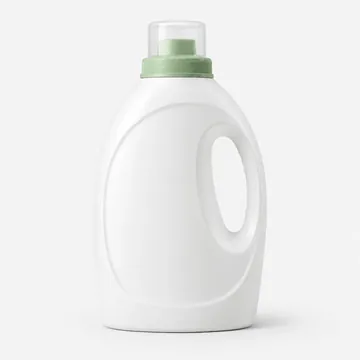
Handled detergent bottle with screw or measuring cap
Handled BottleScrew or measuring cap
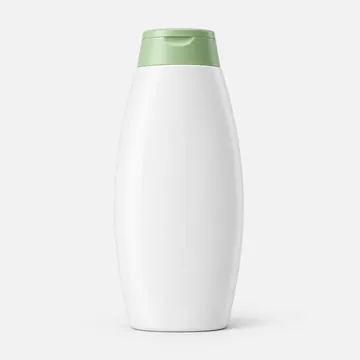
Squeeze bottle with flip-top closure
Squeeze BottleFlip-top closure
Daily chemical bottle with pump dispenser
Pump BottlePump dispenser
Cleaning product bottle with trigger sprayer
Trigger BottleTrigger sprayer
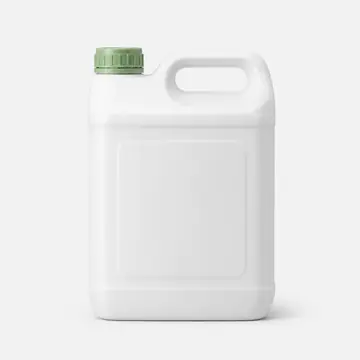
Large-volume jerrycan with screw cap
JerrycanScrew cap
Project-specific Modules

Configure Every Station From The Product And Package

The examples below explain the selection logic, not the limits of the line. Other products, containers, closures, labels, speeds and layouts can be evaluated from the supplied project details.

Base LineBottle Infeed
ConfigureFilling Module
ConfigureClosure & Capping
ConfigureLabeling Module
Base / OptionalCoding & Collection
01
Product Requirement

Filling Module

Product behavior, viscosity, foaming, particles, filling volume, temperature and material compatibility determine the filling method, product-contact parts and nozzle structure.

Flowing LiquidViscous ProductFoaming ProductCream Or PasteCorrosive ProductOther Tested Material
Compare Filling Modules
02
Closure Requirement

Cap Handling & Capping Module

The closure sample determines the sorting, feeding, placing, pressing or tightening structure. A different closure can require a different capping station while the rest of the line remains connected.

Screw CapPump Or Duckbill CapTrigger SprayerPress-on CapSpecial ClosureCustomer-supplied Sample
Compare Capping Modules
03
Container & Label

Labeling Module

Bottle shape, stability, label position, label material and presentation requirement determine the labeling machine and container-guiding structure used on the line.

Round BottleFlat BottleSquare BottleSpecial-shaped BottleFront & Back LabelsShrink Sleeve
Compare Labeling Modules
04
Factory Requirement

Line Integration & Optional Stations

Target output, workshop space, utilities, coding, inspection, collecting and future product changeovers determine the conveyor layout, control interfaces and optional downstream stations.

Target OutputWorkshop LayoutCodingInspectionCollectionFuture Changeover
Review Line Integration
Examples, Not Limits

Final configuration is built from your actual project details

Send the product, bottle or jar, closure, label, filling volume, target output and factory conditions. ZXSMART will define the required stations, interfaces, change parts and factory-test scope.

Send Project Details
Engineering Response

From Production Symptom To Line Decision

The machine is not selected from the product name alone. Foam, viscosity, bottle geometry, closure behavior and label placement are reviewed together before the filling, capping and labeling modules are confirmed.

Foam, splash or unstable fill level
Confirm firstProduct flow behavior, bottle opening, filling temperature, target rate and whether foam develops during pumping or at the nozzle.
Equipment directionReview controlled filling motion, nozzle position and recipe settings before selecting the filling structure. See the foam-control guide and filling machine options.
Drip, stringing or difficult product changeover
Confirm firstThe lowest and highest product viscosity, filling volume range, cleaning method and which product-contact parts must be changed or cleaned.
Equipment directionMatch the pump, nozzle, shutoff method and change parts to the actual product range. Creams and gels require a different review from free-flowing liquids; compare the cream and gel guide.
Cap or label defects after a format change
Confirm firstActual bottle, neck, cap, pump or trigger samples, label size, application position and the required changeover sequence.
Equipment directionKeep the connected line and change the closure or labeling station where required. Compare cap-handling and capping modules with labeling modules.
Need A Daily Chemical Line?

Send Your Bottle, Cap And Liquid Details

We can recommend filling, capping and labeling configuration for your daily chemical product packaging project.

Selection Path

Move From Project Inputs To A Confirmed Machine

  1. 01Classify the product

    Confirm viscosity, foaming, particles, temperature and material compatibility.

  2. 02Match the container

    Review bottle or jar dimensions, neck finish, cap, pump, trigger and label format.

  3. 03Set the real output target

    Define filling volume, bottles per minute, shift pattern and line connection needs.

  4. 04Approve test criteria

    Agree factory test materials, settings, inspection points and handover documents.

WhatsApp