

Cleaning Product Filling, Capping And Labeling Lines
Customized packaging machines for toilet cleaner, glass cleaner, bathroom cleaner, floor cleaner and disinfectant cleaner products.
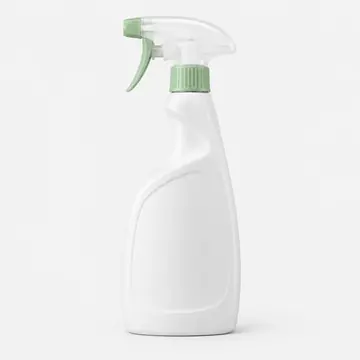
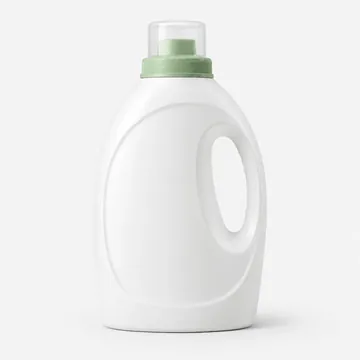
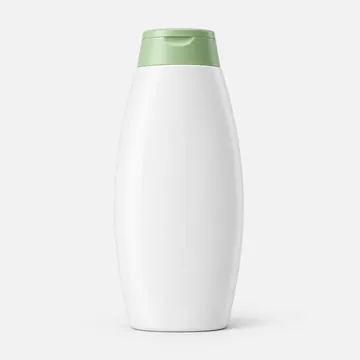
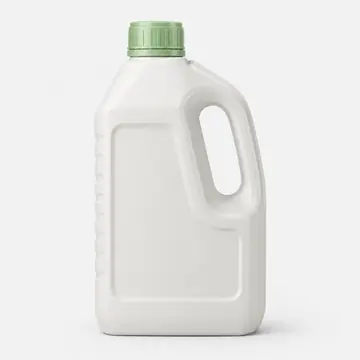
Representative Cleaning Product Containers
These bottles are representative formats, not separate line categories. The filling, closure handling, capping and labeling modules are configured from the actual cleaner, bottle, closure and output target.

Configure The Line For The Cleaner And Closure
Glass cleaner, floor cleaner, toilet cleaner, disinfectant and cleaning gel can share a connected line architecture. The required filling, closure and labeling modules still depend on the real product and package.
Cleaner, Bottle, Closure And Output
Confirm viscosity, foaming, product-contact requirements, filling volume, bottle geometry, trigger or cap, label format and sustained target speed.
- Filling Station
Filling Module
Selected for foaming, flow behavior, filling volume, dripping and cleaning requirements.
- Closure Station
Feeding And Capping
Matched to the supplied trigger, pump, screw cap, flip-top or custom closure.
- Labeling Station
Label Application
Configured for round, flat, handled or special-shaped bottles and the supplied label.
- Optional Stations
Complete The Line
Add coding, inspection, collection or other stations when the project requires them.
Connected architecture: conveying, control handoff, guarding and line balance.
Project-specific changes: filling method, nozzle, bottle guides, closure system, labeling structure, change parts and layout.
Solve Foam, Flow And Trigger-Handling Problems As One System
Cleaning products range from water-like liquids to foaming gels. The filler, nozzle, bottle guides, trigger or cap handling and label station are selected together so one problem is not moved to the next machine.
- Cleaner foams and loses filling consistency
- Confirm firstFoam onset and settling behavior, bottle opening, filling temperature, filling volume and sustained target speed.
- Equipment directionReview filling path, nozzle depth and speed profile before selecting the filling method. Start with the foam-reduction guide.
- One line must handle thin cleaner and thicker gel
- Confirm firstThe full viscosity range, product-contact requirements, drip or stringing behavior, cleaning method and changeover frequency.
- Equipment directionThe project may require recipe changes, product-contact change parts or a different filling module. Compare the available filling principles against both products, not only one sample.
- Trigger sprayer or unstable bottle interrupts the line
- Confirm firstTrigger orientation, dip-tube length, neck finish, bottle base and handle geometry, label position and the required cap sequence.
- Equipment directionMatch sorting, feeding, placing and tightening to the supplied trigger, then configure bottle guides and labeling. Review the trigger-sprayer capping process.
Send Your Cleaning Product Details
Share liquid type, bottle photo, cap sample, label size and target speed for a suitable machine proposal.
Move From Project Inputs To A Confirmed Machine
- 01Classify the product
Confirm viscosity, foaming, particles, temperature and material compatibility.
- 02Match the container
Review bottle or jar dimensions, neck finish, cap, pump, trigger and label format.
- 03Set the real output target
Define filling volume, bottles per minute, shift pattern and line connection needs.
- 04Approve test criteria
Agree factory test materials, settings, inspection points and handover documents.