

Lubricant And Car Care Bottle Packaging Lines
Customized packaging machines for lubricant oil, engine oil, coolant, brake fluid, fuel additive and car cleaning liquid products.
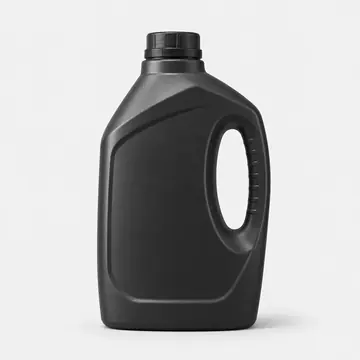
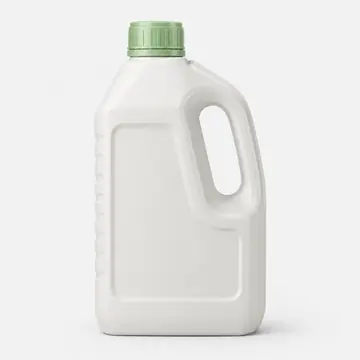
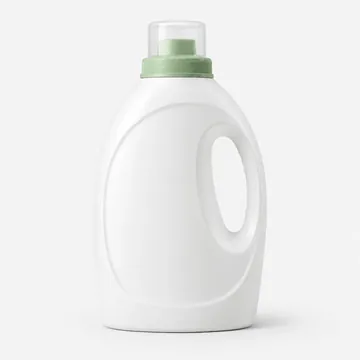
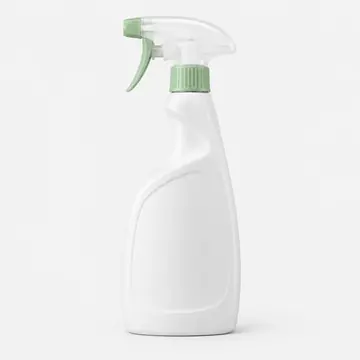
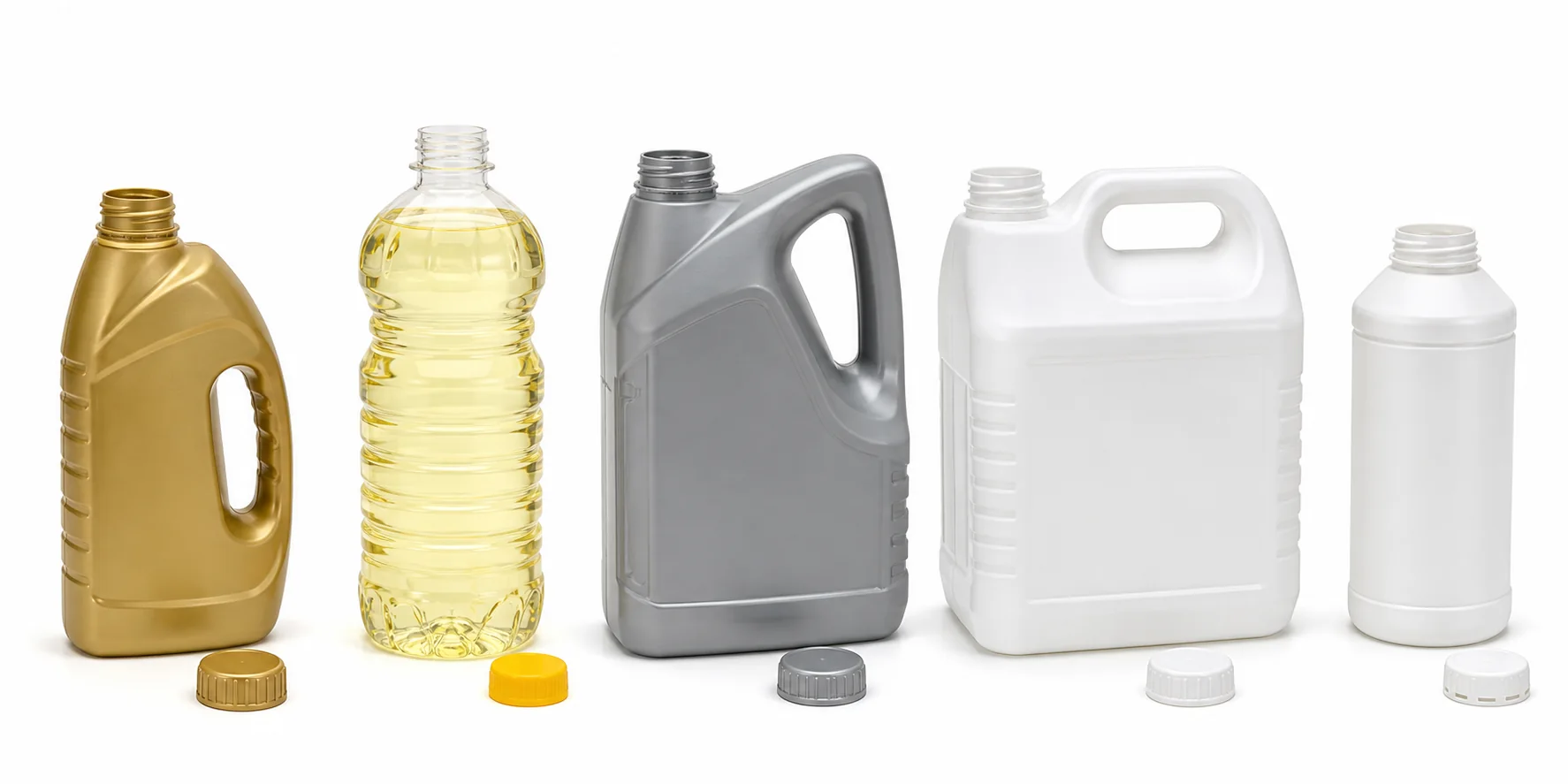
Representative Lubricant And Car Care Containers
These package formats do not represent separate production lines. Filling, conveying, cap handling, capping and labeling are configured from the product, bottle, closure and required production target.
Build The Line Around The Oil And Container
Lubricant oil, coolant, brake fluid and car-care liquids can share a connected line architecture, but the pump, nozzle, bottle handling, closure and label stations are selected from the actual operating range.
Oil Behavior, Package And Output
Confirm viscosity at operating temperature, filling volume, container dimensions and weight, closure, label format, cleaning method and sustained target speed.
- Filling Station
Filling Module
Selected for the viscosity range, filling volume, drip behavior and cleaning requirement.
- Closure Station
Feeding And Capping
Matched to the supplied screw cap, spout, pump or other project closure.
- Labeling Station
Label Application
Configured for the bottle geometry, surface, label material and placement requirement.
- Optional Stations
Complete The Line
Add coding, inspection, collection or other stations when the project requires them.
Connected architecture: conveying, control handoff, guarding and line balance.
Project-specific changes: filling principle, nozzle, guides, closure system, labeling structure, change parts and layout.
Control Viscosity, Drip And Heavy-Bottle Handling
Lubricant filling equipment must be selected for the real viscosity and temperature range. The same oil can behave differently as temperature changes, so the pump, nozzle and speed cannot be confirmed from the product category alone.
- Fill rate changes as oil viscosity changes
- Confirm firstMinimum and maximum viscosity at operating temperature, filling volume, product supply condition and sustained output requirement.
- Equipment directionGear pump, rotor pump, servo piston or flow-meter filling may be evaluated against the operating range. Use the lubricant filling selection guide before comparing machines.
- Oil drips or strings after the nozzle closes
- Confirm firstDrip behavior, nozzle height, bottle opening, required shutoff, acceptable residue and the cleaning procedure.
- Equipment directionReview the nozzle, shutoff and filling motion together rather than increasing speed alone. Compare gear pump and rotor pump configurations conditionally.
- Handled or large bottles move inconsistently
- Confirm firstEmpty and filled weight, base shape, handle position, neck finish, cap, label position and conveyor direction.
- Equipment directionContainer guides, filling support, cap handling and label application must be balanced across the line. Review the complete packaging line scope.
Send Your Lubricant Bottle Details
Share bottle size, cap type, oil viscosity, label size and target speed. We will recommend a suitable line configuration.
Move From Project Inputs To A Confirmed Machine
- 01Classify the product
Confirm viscosity, foaming, particles, temperature and material compatibility.
- 02Match the container
Review bottle or jar dimensions, neck finish, cap, pump, trigger and label format.
- 03Set the real output target
Define filling volume, bottles per minute, shift pattern and line connection needs.
- 04Approve test criteria
Agree factory test materials, settings, inspection points and handover documents.